Direct supply, distributors, dropship and marketplace applications: a practical guide for established consumer-tech brands.
Your product already sells through your own website, Amazon or accounts overseas. Now you want UK online retailers to carry it. Before approaching a buyer, establish how that account would take the product: buy stock directly, buy through a distributor, sell it with you handling delivery, or accept you as a marketplace seller.
That choice determines who you approach, which terms you need and what your team must deliver.
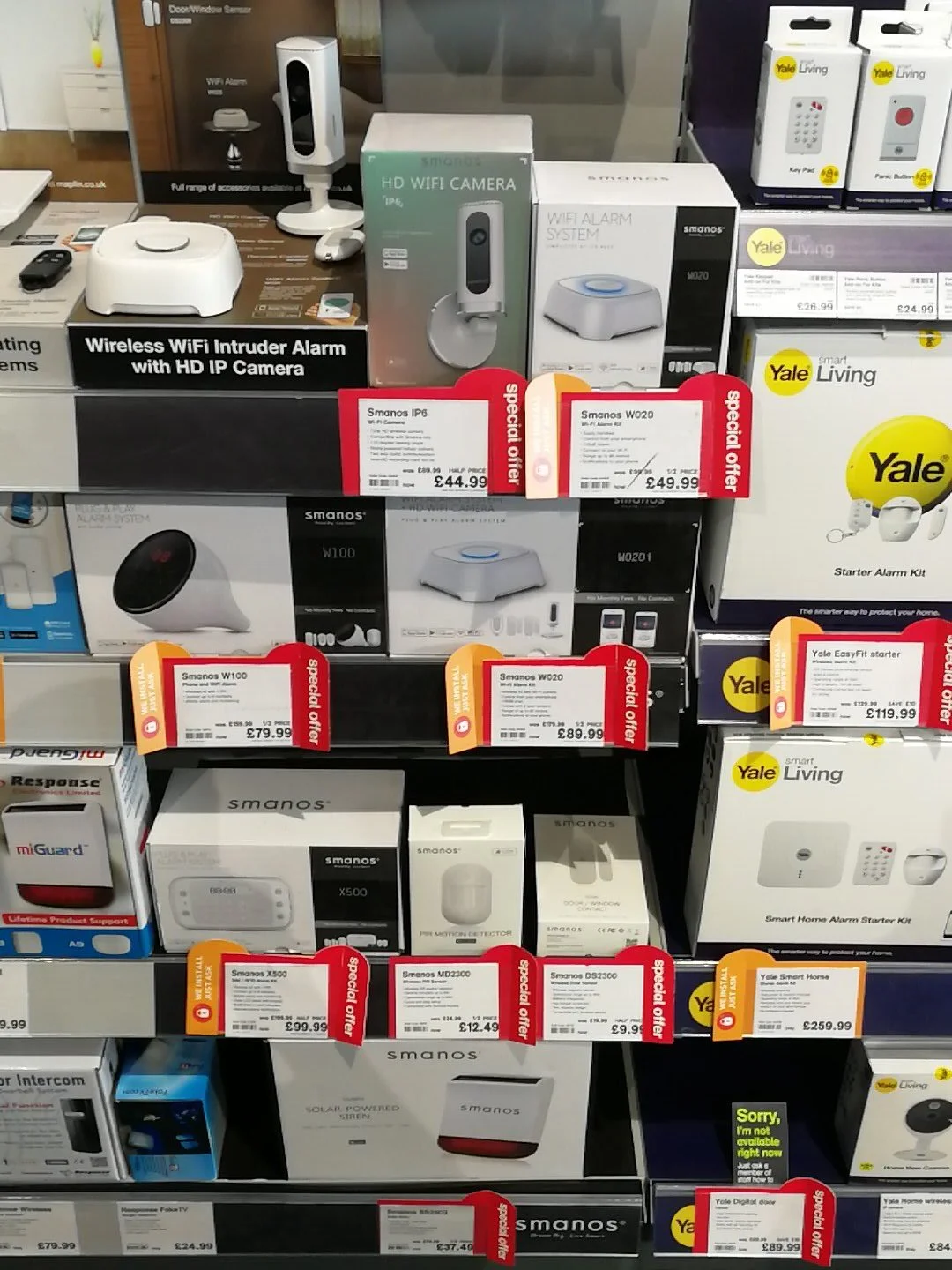
I’ve worked in distribution at Computers Unlimited and on UK and DACH business development for Smanos. Those were roles before Frankow’s current consultancy work. My commercial background is why I look at the supply arrangement as closely as the retailer’s name.
Start with the right conversation
| Proposed route | What you need to establish | First question for the account |
|---|---|---|
| Sell stock directly to the retailer | A buying decision and a supplier account | Can you buy this range from our selling entity, and who handles the category? |
| Supply through a distributor | Which party will propose the range and fulfil the retailer’s orders | Which distributor can supply this account, and who will put our product forward? |
| Retailer dropship | A supplier agreement and a way to fulfil the retailer’s customer orders | What service and system requirements must we meet before going live? |
| Retailer marketplace | Approval for a seller account and the proposed products | What are the seller requirements, charges and fulfilment obligations? |
In retailer dropship, the retailer sells to the shopper and the supplier, or its fulfilment provider, ships the order. On a third-party marketplace, the named seller sells to the shopper. That seller could be your brand or a reseller. A distributor can support more than one of these arrangements.
If you are still deciding which channel to develop first, start with Amazon, distributor or retail?. Here, the focus is supplying a particular online account.
Check who already sells your product
Search the retailer’s site for your brand and exact model. Open the product page and check the seller, delivery promise and product version.
A listing can exist without your team having a direct account. Ask headquarters and your distributors who supplies it, who can change the content and who handles replenishment. If a marketplace reseller is already selling the range, understand that relationship before making a second approach.
I would record one line per target account: current seller, source of stock, relationship owner and next action. This separates a new opportunity from an existing account that needs attention.
If you have no listings yet, check category fit using the retailer’s current range. My UK electronics and DIY retailer guide covers the account research. A similar product on sale shows category relevance; it does not tell you whether the buyer wants another brand.
What should a UK distribution partner do for this account?
Start with the job you need done. I would separate three proposals:
- Develop the account: understand the category, propose your range and manage the buyer discussion. Ask what launch and account work is included.
- Supply an agreed account: handle purchasing, stock, invoicing and replenishment once the commercial opportunity is in place. Establish whether anyone is also responsible for winning new business.
- Fulfil individual orders: meet an online retailer’s dropship requirements. Confirm who sells and invoices, who owns the stock, and who handles delivery exceptions and returns.
One distributor may do all three, but the agreement needs to say so. A service-only 3PL stores and ships goods; it does not become a distributor just because it dispatches a retailer’s orders. An agent may approach buyers while your brand remains the supplier.
When a partner says it “covers” an account, ask for the exact banner, category and supply model. Does it supply that retailer directly, fulfil orders for it, or sell on its marketplace? Who manages the relationship, and what is the next step for your product?
These are different answers. A retailer logo in a presentation is not enough to decide which work you are paying for. Once the partner is appointed, my distributor-development guide covers the ongoing account plan.
Argos: a marketplace application is different from a retail order
Argos now has a Trusted Sellers marketplace alongside products sold by Argos itself. Its marketplace terms explain that the shopper’s contract for a Trusted Seller product is with that seller. The seller is responsible for the product and aftersales support.
There is a public Sell on Argos questionnaire. It asks about the business, product categories, expected sales, delivery capability, UK warehousing and integration method. Argos reviews interest before agreeing next steps.
For an overseas brand, check eligibility for your selling entity and fulfilment arrangement before spending time on the application. The page addresses sellers in the UK; it does not establish acceptance of every overseas business. Completing it is an application to sell through the marketplace, not an Argos purchase order or a store listing.
Argos public information checked 16 November 2026.
If the retailer wants dropship, test the delivery promise
You may avoid sending an opening order to the retailer’s warehouse, but you still need stock available to meet its promise to the customer.
Before agreeing terms, establish:
- How orders arrive, how quickly you must acknowledge them and what happens when you cannot supply.
- How stock availability and tracking reach the retailer.
- Who deals with cancellations, failed deliveries, faults and returns.
- What delivery reimbursement you receive, and the parcel and handling costs you pay.
Use the retailer and distributor margin calculator with those terms. Include marketing support, delivery, returns and the work left with your team. A smaller headline margin does not tell you what remains per sale.
Sell-in is only the start. Focus on sell-out.
Getting the product listed is one part of the job. It needs to sell to the retailer’s customers if you want repeat orders.
I also support brands in getting more from their online listings: choosing useful search terms, improving product names and descriptions, and making sure the pictures explain the product. I look at customer reviews and questions to see what is missing, then help coordinate PR and launch activity around the accounts carrying the range.
For a consumer-tech product, I would start with five things:
- Keywords and product names: use the words customers search for, with the model and main use clear. Check the retailer’s naming rules and avoid stuffing every keyword into the title.
- Pictures: show the product in use, its size, what comes in the box and any detail a customer needs before buying. A clean pack shot alone may not answer the question.
- Compatibility and setup: explain what it works with, what else the customer needs and whether there is a subscription. Keep the listing consistent with the actual product.
- Reviews and questions: encourage genuine feedback through the retailer’s permitted process and use recurring questions to improve the page. If reviews reveal a product or support problem, address that too.
- PR and launch support: agree where coverage, demonstrations and campaigns should send interested customers. Check stock and the product page before directing attention to it.
Then review sell-out with the account owner: sales, availability, returns and the questions customers keep asking. Where the retailer shares traffic and conversion data, use it to distinguish a page that is not being seen from one that is being seen but not selling.
The focus is to help the account sell through its stock and earn the next order, rather than count a live listing as a finished launch.
For the earlier buyer approach, demonstrations and first-order proposal, use my UK electronics and DIY buyer guide.
Looking for your next UK online accounts?
Through Frankow Ltd, I help established consumer-product brands assess distribution partners, prepare the commercial approach and develop retail relationships.
Tell me your product, where it sells now and which UK accounts you want to reach. Discuss your next UK accounts.