
Turning connected access into a self-service rental operation.
How connected padlocks, booking-system integration and automated PIN access helped Kayakomat scale an unattended rental model.
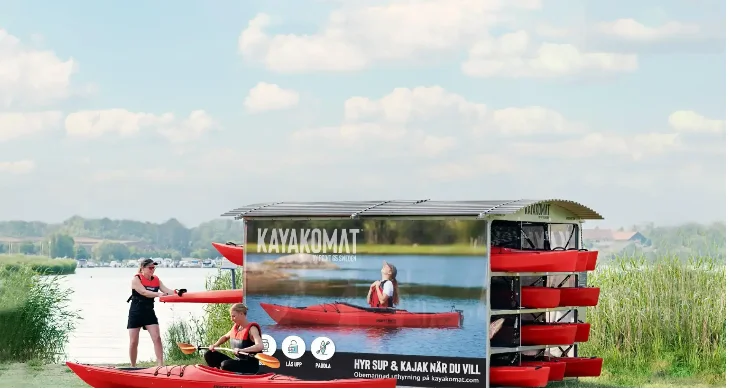
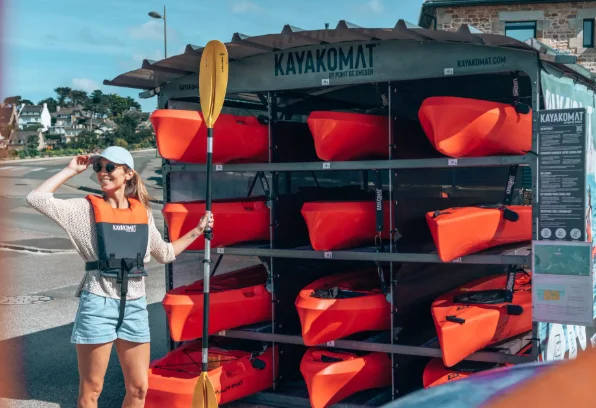
See the work, deployment and customer experience in context.
European commercial lead managing the Kayakomat relationship and coordinating the commercial requirements with software and hardware teams
Staff availability was the constraint, not demand.
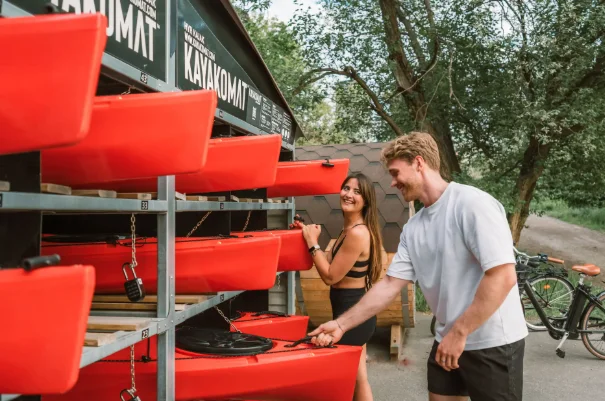
Kayak rentals traditionally depended on staff availability and manual key handovers. The commercial opportunity was to connect booking, secure access and remote management into an unattended customer journey.
The commercial system behind the result.
Where the opportunity had to work.
How the opportunity moved through the handoffs.
What the work created or where it stands now.
Move the opportunity through the handoffs.
Three practical stages kept the commercial requirement connected to delivery.
Prove the operating concept
Work with the customer and internal teams to test whether connected access could support a practical self-service rental workflow.
Connect software and hardware
Coordinate the commercial requirements around booking-system integration, time-bound access credentials and remote management.
Develop the partnership
Maintain the customer relationship, support process improvement and connect technical delivery to the customer's wider rollout model.
From product capability to an operating model
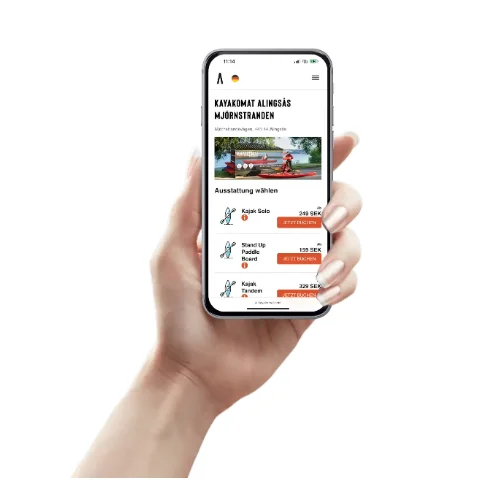
The important part of this case is not the lock itself. It is the commercial and operational system around it: a customer chooses and books equipment, receives controlled access and completes the rental without a traditional staffed handover.
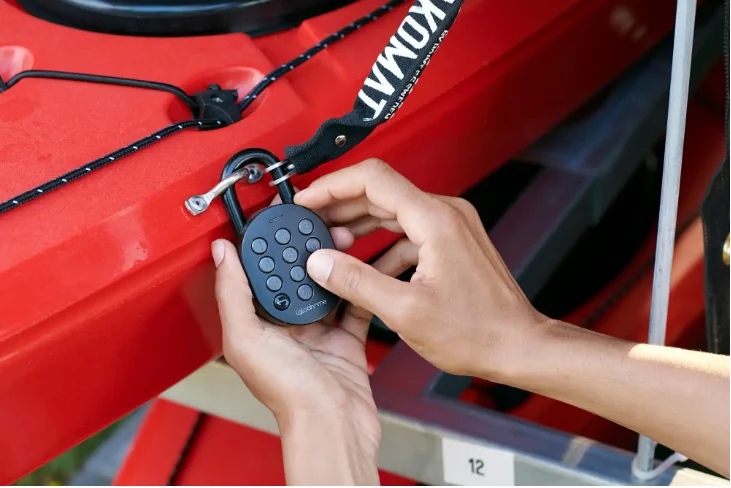
I managed the European commercial relationship and coordinated the requirements between Kayakomat and the teams responsible for the connected hardware, access platform and API. A booking triggers an automatically generated, time-limited PIN, allowing the customer to unlock the assigned equipment without a staffed key handover.
The deployment began with a trial in 2020. Igloohome’s public Kayakomat case study documents more than 1,400 padlocks in the earlier rollout, booking-system integration and automated PIN generation. The network has since grown to around 8,000 connected padlocks.
Why it matters
Many connected-product businesses stop at device features. This deployment shows the stronger proposition: combine the device, software and integration layer to make an entirely different service model practical at scale.
What this shows I can bring to another business.
- Commercial leadership across a multi-team integration project
- Translating connected hardware into an operational customer outcome
- Supporting a partner model beyond the initial proof of concept
Scope and responsibility.
What did you own in the Kayakomat project?
I led the European commercial relationship and coordinated the customer, internal teams and the commercial requirements surrounding the connected-access integration.
What does the Kayakomat case demonstrate?
It demonstrates how hardware, software and partner coordination can create a scalable self-service customer journey rather than a one-off product sale.
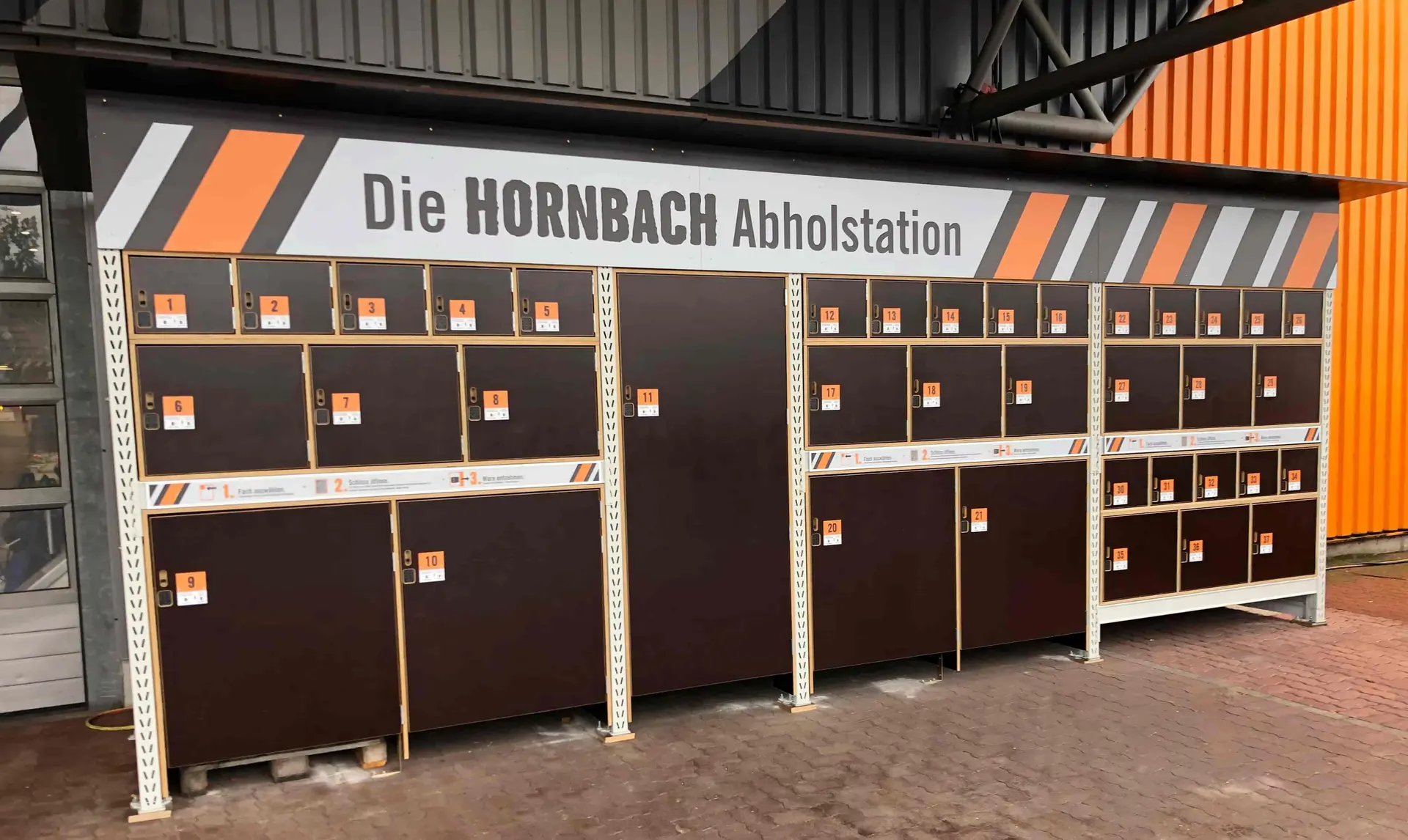
Hornbach contactless collection solution
How more than 2,000 connected padlocks and a Zebra-device integration enabled flexible Hornbach order collection across Europe.
Read the case →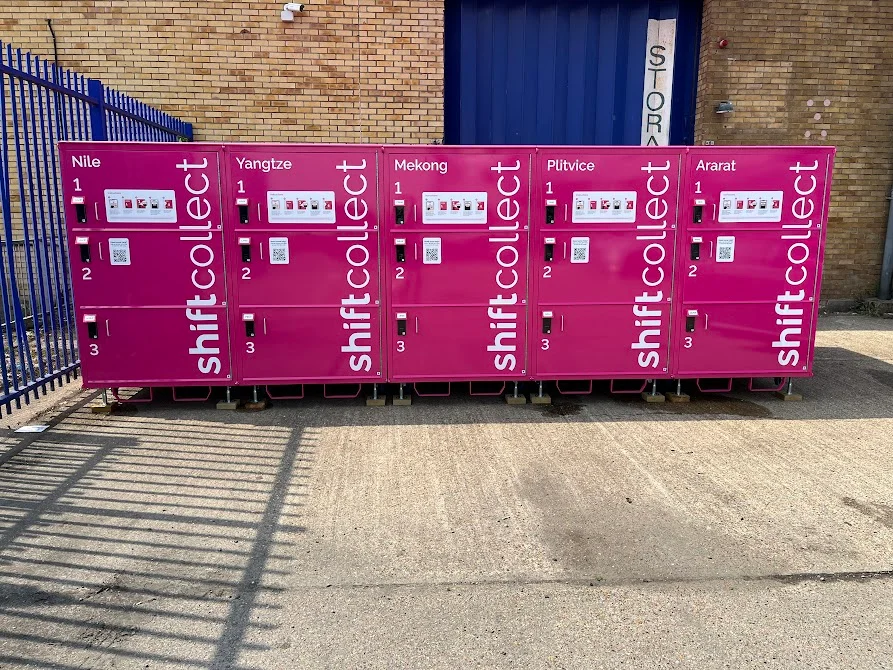
Shift and IKEA UK self-service collection rollout
Supplying 700 connected locks to Shift for its self-service IKEA UK collection rollout.
Read the case →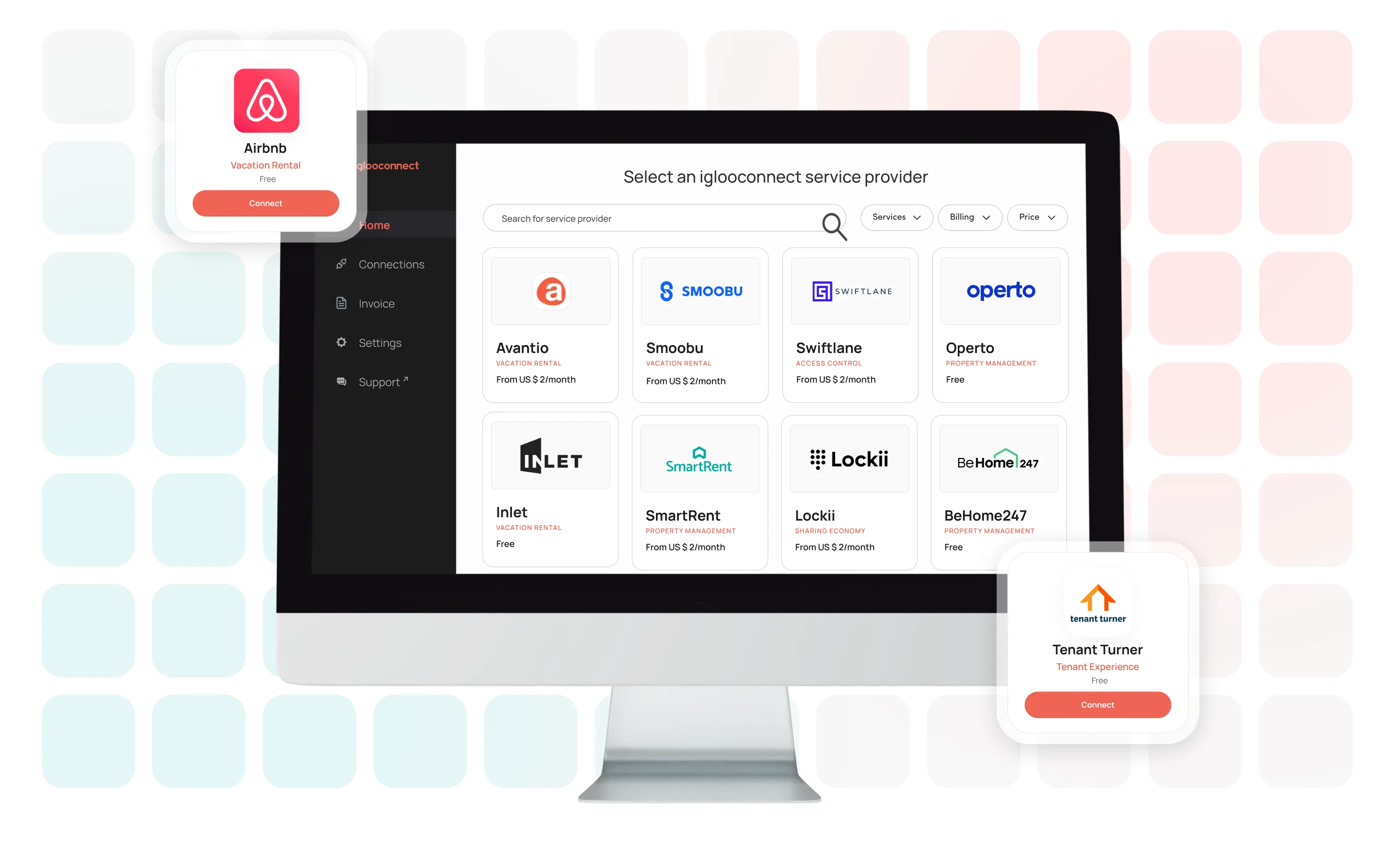
iglooConnect integrations and recurring software revenue
Developing European integration partnerships, marketplace activity and commercial campaigns that attach recurring software value to connected hardware.
Read the case →