
Solving an out-of-hours collection problem through coordinated execution.
How more than 2,000 connected padlocks and a Zebra-device integration enabled flexible Hornbach order collection across Europe.
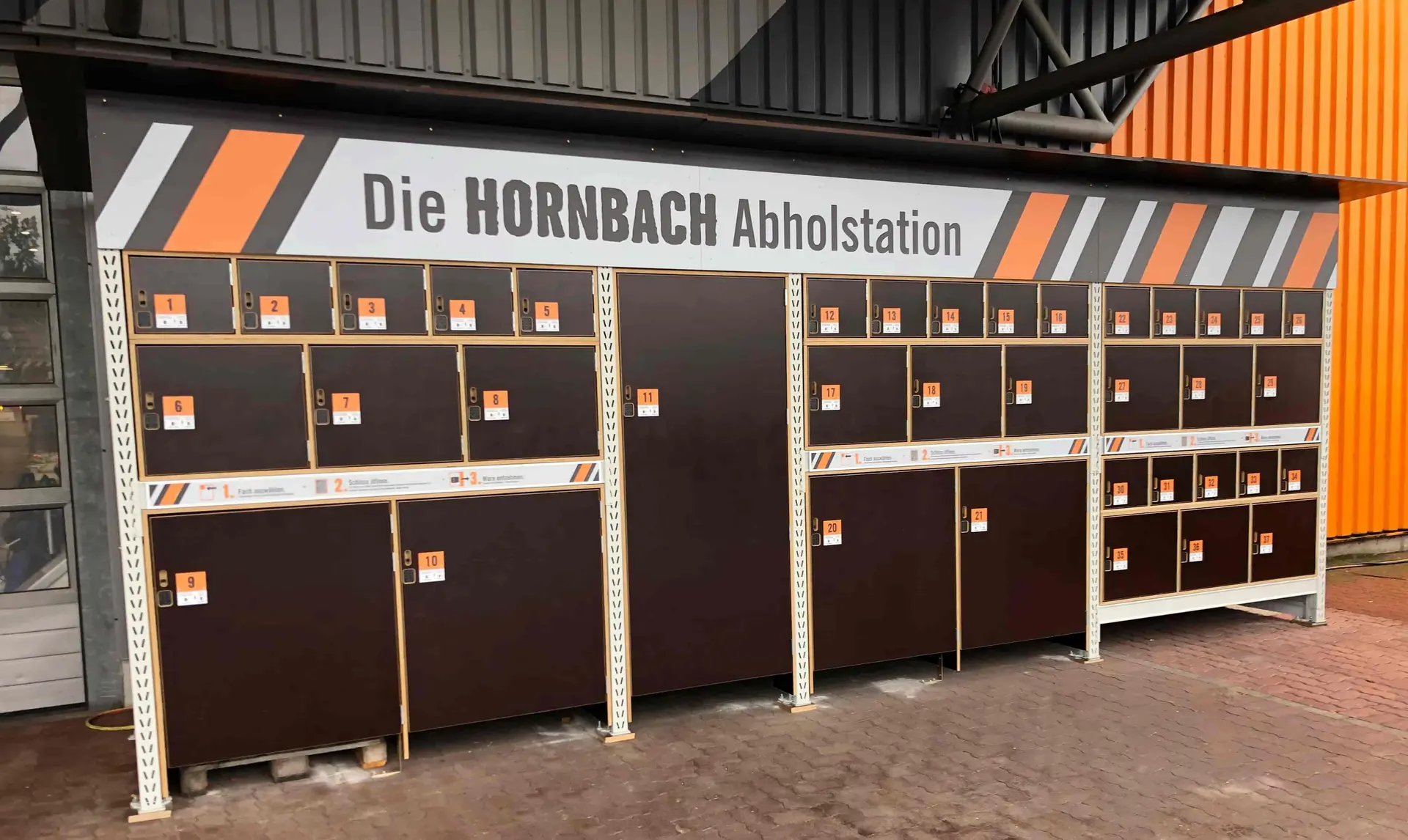
See the work, deployment and customer experience in context.
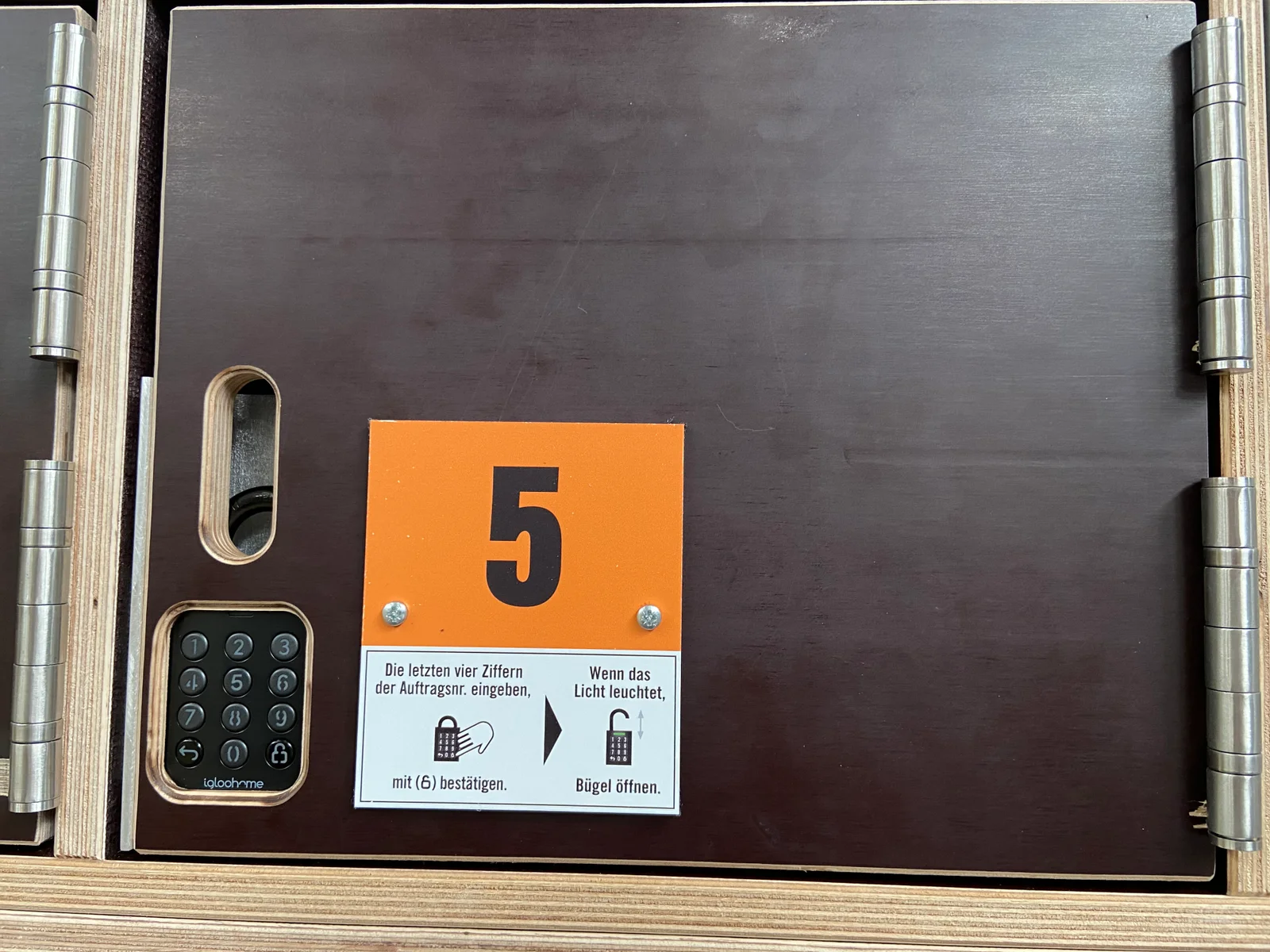
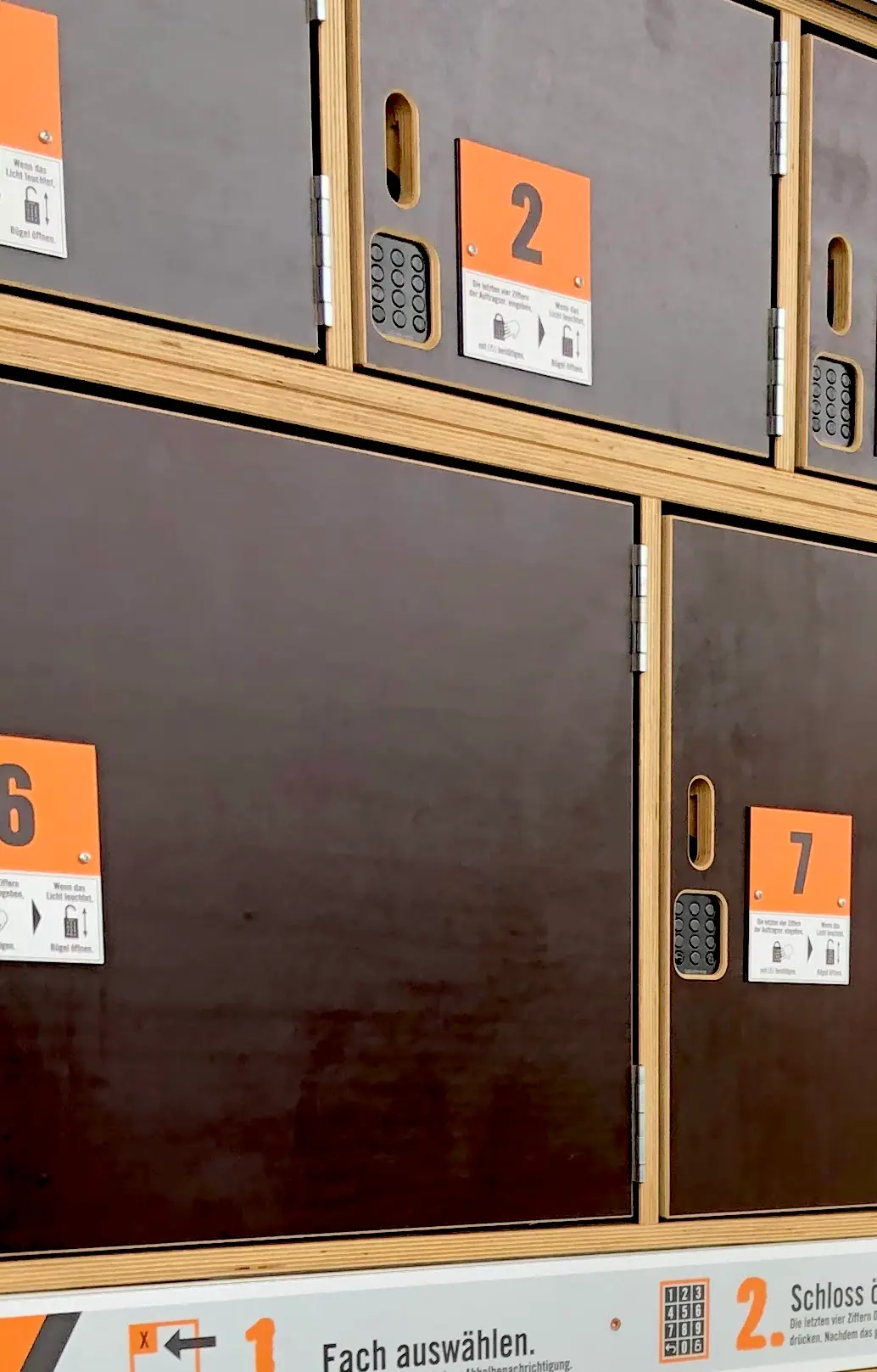
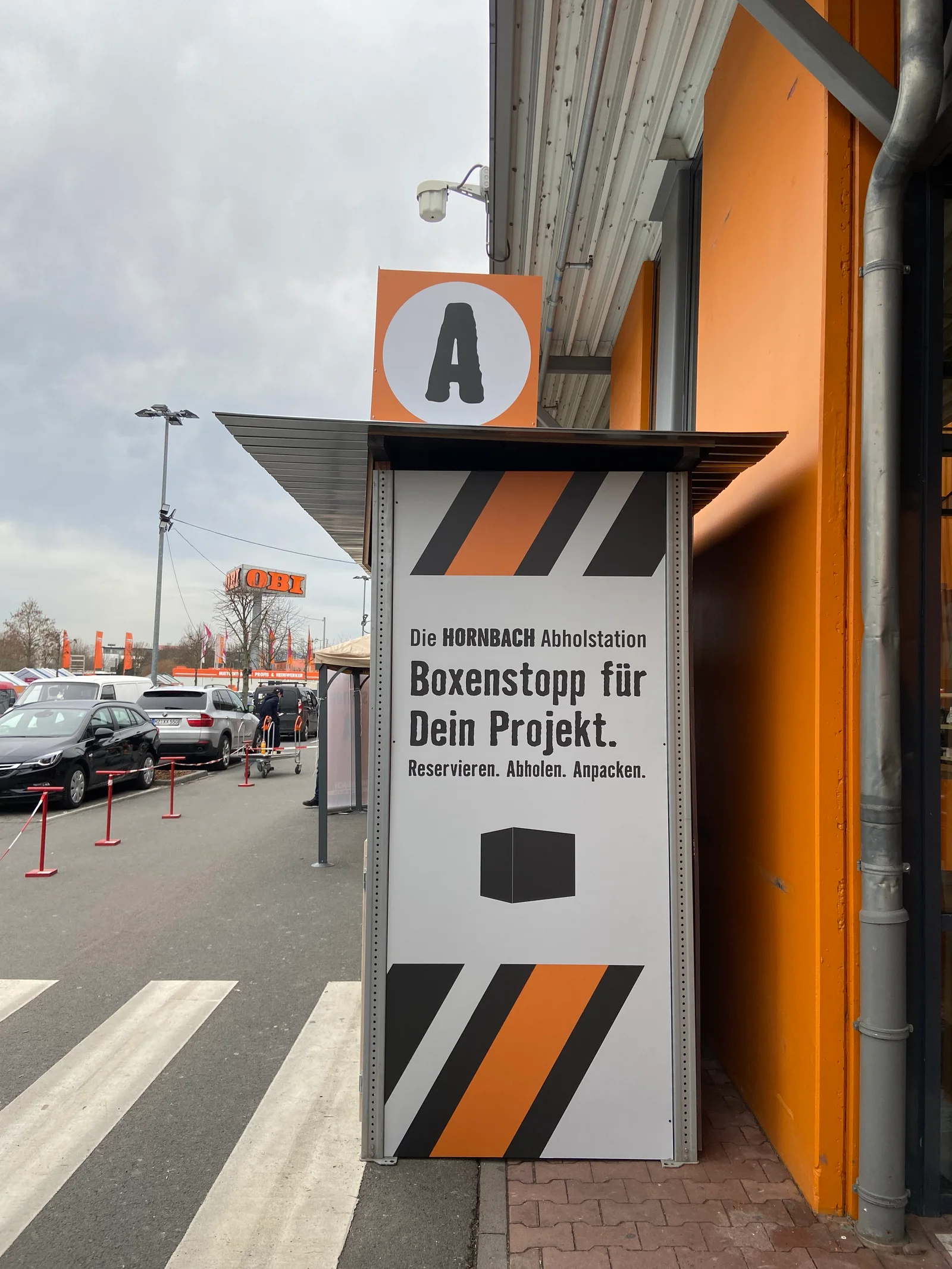
European commercial lead supporting the concept pitch, stakeholder engagement and cross-functional delivery
Fixed collection hours were limiting both sides.
Fixed-hour collection created operational constraints for the retailer and limited customer flexibility. The opportunity was to create a secure workflow for collecting prepared orders outside the traditional handover process.
The commercial system behind the result.
Where the opportunity had to work.
How the opportunity moved through the handoffs.
What the work created or where it stands now.
Move the opportunity through the handoffs.
Three practical stages kept the commercial requirement connected to delivery.
Engage the operating stakeholders
Develop the concept with operational and buyer teams while working through purchasing, legal and compliance requirements.
Run a proof of concept
Coordinate internal software capability with the retailer's processes and developer requirements before broader deployment.
Embed the workflow
Connect order identification, controlled access and physical collection infrastructure into a process staff and customers could use.
The commercial conversation crossed departments
Operational projects rarely have a single buyer. The concept needed to make sense to store operations, commercial teams, legal and purchasing stakeholders, developers and the people who would use the collection process day to day.
My contribution was to keep that chain moving: present the problem and proposition, support the proof of concept and coordinate the commercial path as technical and operational details were resolved. Hornbach built collection units with 21 to 54 doors, secured by connected padlocks. Store teams used Zebra TC21 devices integrated through the igloodeveloper APK to scan orders, log deposits and generate customer PINs.
Igloohome’s public Hornbach case study records more than 2,000 deployed padlocks across European stores, over 45,000 contactless pickups and more than €2.5 million in order value handled from June 2021.
Why it matters
This deployment shows how European commercial leadership can extend beyond selling products. The stronger opportunity was to combine connected hardware, software integration and an in-store process into a measurable operating result.
What this shows I can bring to another business.
- Customer development across operations, buying, legal and technology teams
- Turning a proof of concept into an operational retail solution
- Coordinating software, hardware and in-store process requirements
Scope and responsibility.
Was this primarily a retail placement project?
No. It was an operational-solution project connecting collection infrastructure, secure access and the retailer's internal workflow.
What did you contribute to the Hornbach project?
I supported the concept pitch, stakeholder engagement and coordination between the customer need and the internal teams required to deliver the solution.
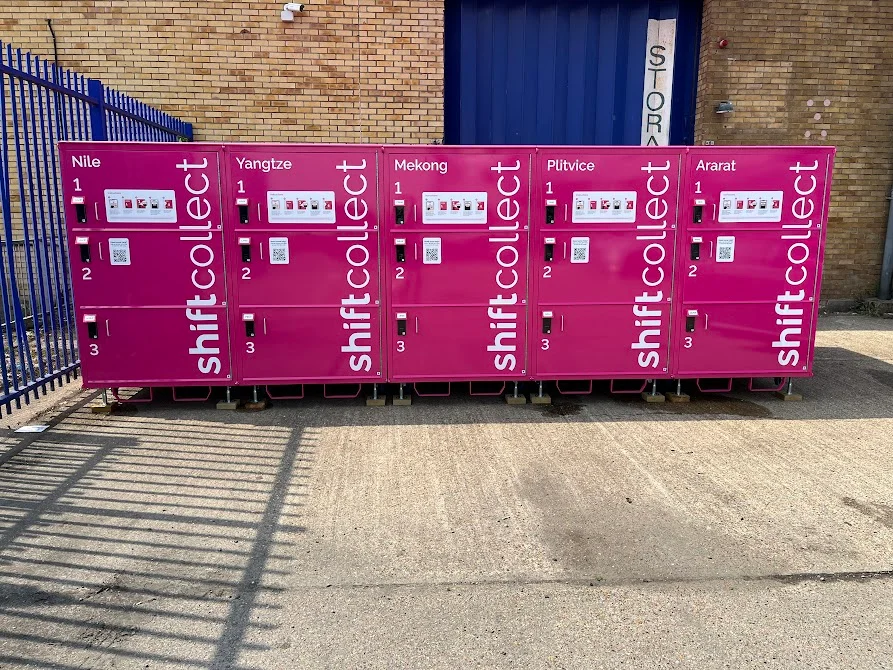
Shift and IKEA UK self-service collection rollout
Supplying 700 connected locks to Shift for its self-service IKEA UK collection rollout.
Read the case →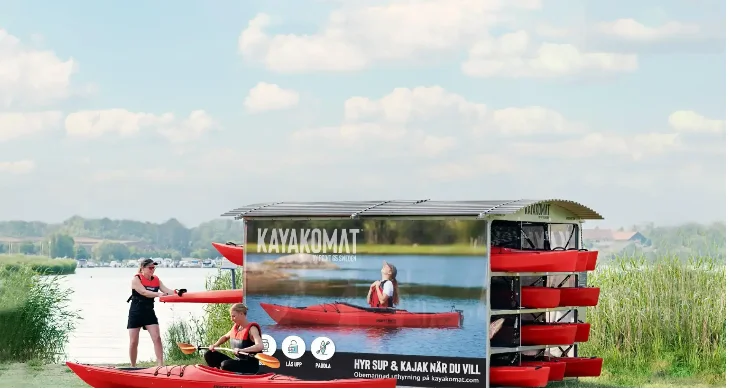
Kayakomat self-service rental integration
How connected padlocks, booking-system integration and automated PIN access helped Kayakomat scale an unattended rental model.
Read the case →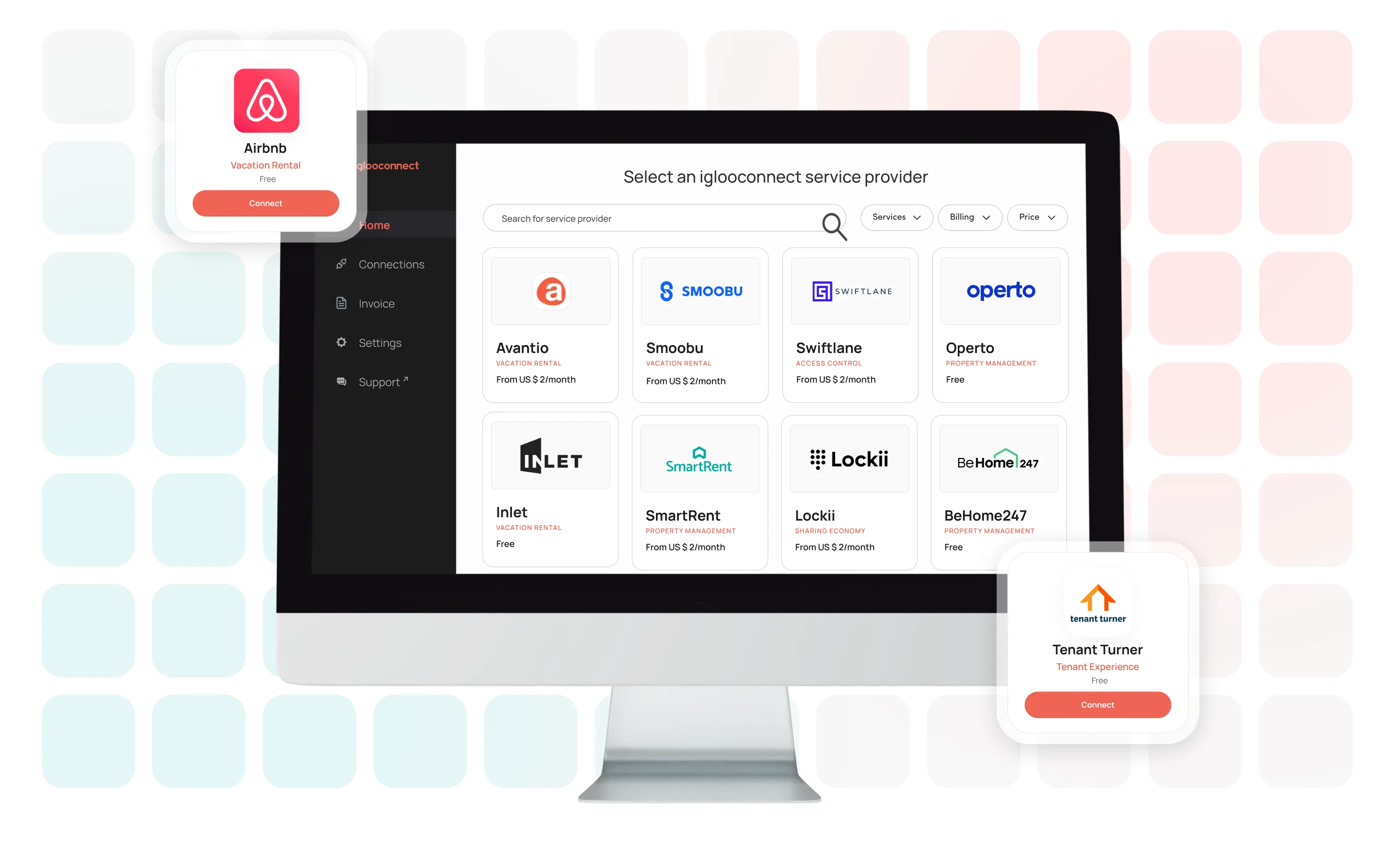
iglooConnect integrations and recurring software revenue
Developing European integration partnerships, marketplace activity and commercial campaigns that attach recurring software value to connected hardware.
Read the case →