For an overseas consumer-electronics or DIY brand, or its UK representative, entering the UK retail market, the first decision is which retailers reach the right customer and can support the product commercially. Currys, Argos, John Lewis, AO and Amazon serve different shopping needs; B&Q, Screwfix, Wickes and other home-improvement retailers offer another set of category opportunities.
This guide maps selected retailers, explains their reported scale and sets out how to turn a longlist into a launch shortlist. It covers retailers and retailer-owned marketplaces. Selection reflects category relevance, not a ranking or a claim that any retailer is accepting new suppliers.
Research checked 24 October 2026. Reporting periods and definitions differ. Figures below are scale indicators, not comparable market shares.
UK retailer map: where should a new brand start?
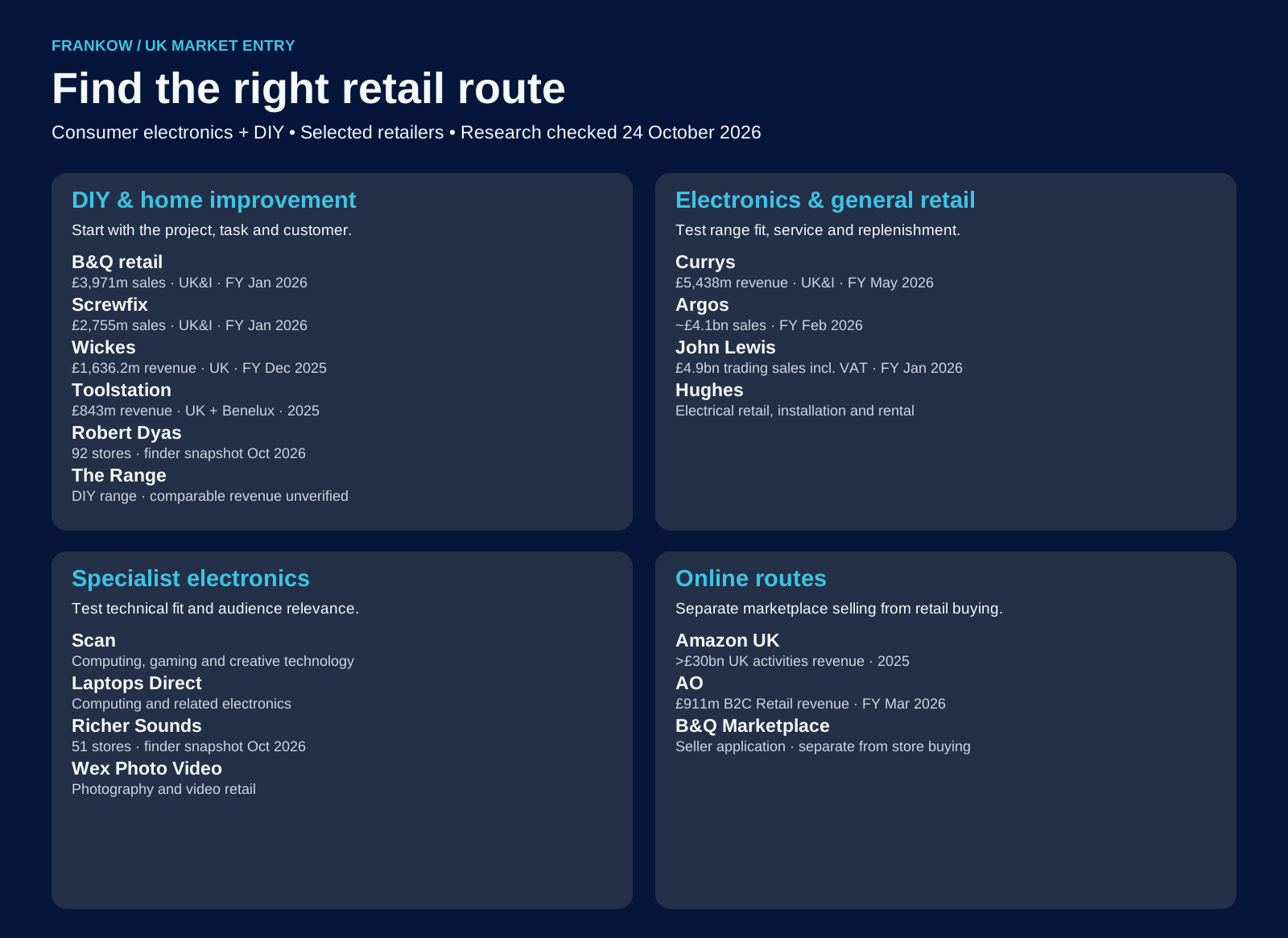
Download the retailer map. Reported figures and sources are explained in the tables below.
The map groups retailers by the role they could play in a brand’s entry plan. These are editorial categories, not exclusive channels: many store retailers also sell online. AO appears in the online group; B&Q retail and B&Q Marketplace are two routes into the same organisation.
Start with the customer’s purchase: a DIY project, an electrical replacement, a specialist technical requirement or an online search. Then assess the retailer’s range, price positioning, product support and fulfilment needs. A large sales figure alone does not establish a suitable route to market.
How large are the main UK DIY retailers?
B&Q and Screwfix have substantial reported scale, but their figures include Ireland. Wickes reports revenue across retail and design-and-installation activity. Toolstation’s headline revenue includes Benelux. These differences prevent a clean UK-only sales ranking.
| Retailer | Reported scale | Period and boundary |
|---|---|---|
| B&Q | £3,971m sales; 317 stores | Year ended 31 January 2026; UK & Ireland banner context. Kingfisher annual report |
| Screwfix | £2,755m sales; 979 stores | Same reporting year and regional context. Kingfisher annual report |
| Wickes | £1,636.2m revenue | Year ended 27 December 2025; £1,208.9m Retail and £427.3m Design & Installation. Wickes results |
| Toolstation | £843m revenue; 590 UK stores | 2025; revenue combines UK and Benelux, while the store count is UK only. Travis Perkins results |
| Robert Dyas | 92 stores shown by store finder | Snapshot checked 24 October 2026; no comparable revenue verified for this guide. Store finder |
| The Range | Relevant DIY category range | No comparable revenue verified for this guide. DIY catalogue |
For a DIY brand, the useful question is where the product belongs in a customer’s project. A tool, smart-home accessory and portable power station may need different merchandising, demonstrations and after-sales support even when the retailer sells all three categories.
Screwfix and Toolstation remain relevant retailers despite their trade customer base. Their inclusion does not broaden this guide into wholesale or merchant distribution. For The Range and Robert Dyas, assess the actual category and price position before treating broad home-and-garden coverage as a product fit.
How do Currys, Argos and John Lewis compare?
Currys provides a large electrical-retail reference point. Argos offers broad general merchandise, while John Lewis covers several departments beyond electronics. Their reported totals cannot be read as consumer-electronics category sales.
| Retailer | Reported scale | What the number covers |
|---|---|---|
| Currys | £5,438m UK & Ireland revenue | Year ended 2 May 2026; includes services and Ireland, excludes the Nordic division. Currys results |
| Argos | Approximately £4.1bn reported sales | 52 weeks ended 28 February 2026, as reported in April; broad merchandise, with reporting basis not normalised here. Sainsbury’s results |
| John Lewis | £4.9bn trading sales | 53 weeks ended 31 January 2026; includes VAT and other trading-sales adjustments, excludes Waitrose. Partnership results and definitions |
| Hughes | Electrical retail, installation and rental services | Category and service reference; no comparable current revenue verified here. Hughes |
Argos also needs a current organisational check: Sainsbury’s announced a sale to Swift Partners on 22 October 2026, with completion expected at the end of February 2027 and full separation in February 2029. This is an announced transaction, not a completed change of ownership at the research date. Interim announcement
For a new brand, these retailers belong on a research longlist when the category fits. A credible proposal still needs a clear customer proposition, evidence of demand, workable pricing and an answer to who handles returns, support and replenishment. An existing product listing is not evidence that a buyer is seeking another supplier.
Where do Amazon, AO and B&Q Marketplace fit?
Online is an important part of UK entry planning. ONS reports internet sales at 27.5% of retail sales in Great Britain in its current 2025 annual series. This is an overall retail measure, not an electronics share or a measure covering Northern Ireland. ONS series J4MC
| Route | Reported scale | Interpretation for market entry |
|---|---|---|
| Amazon UK | More than £30bn revenue from UK activities in 2025 | Broader than retail sales; not marketplace GMV or electronics revenue. Use as corporate context, not a retailer market-share denominator. Amazon UK disclosure |
| AO | £911.0m B2C Retail revenue within £1,266.6m group revenue | Year ended 31 March 2026. Retail includes products, services, delivery and protection across ao.com and other online routes. Group totals include additional operations. AO annual report |
| B&Q Marketplace | Public seller-application route | Category-focused marketplace access; acceptance and any physical-store listing are separate questions. B&Q Marketplace |
Amazon marketplace selling and selling products to Amazon as a retail supplier are different commercial arrangements. The public seller route establishes that a brand can investigate marketplace participation; it does not establish eligibility for every product or access to retail buying. Amazon seller information
For an online launch, model contribution after the applicable fulfilment, returns, support and acquisition costs. For a retail proposal, model the commercial terms offered and the operating work required. Choose between routes using product economics and customer fit, rather than assuming that online access guarantees a cheaper or easier launch.
Which specialist retailers deserve a closer look?
A narrower retailer can be relevant when its audience matches the product. The following are category starting points, not verified supplier opportunities.
| Retailer | Research starting point | Available scale evidence |
|---|---|---|
| Scan | Computing, gaming and creative technology | Technology range and Bolton showroom described publicly. About Scan |
| Laptops Direct | Computing and related electronics | Buy It Direct ownership; parent-company scale should not be attributed to this banner. About Laptops Direct |
| Richer Sounds | TV, hi-fi and home cinema | Official store finder states 51 stores nationwide; snapshot 24 October 2026. Store finder |
| Wex Photo Video | Photography and video customers | Catalogue evidence includes a DJI power product; this establishes a listing, not demand or a chain-wide rollout. Product example |
Assess specialist retailers against the problem your product solves. Technical audience relevance can justify further research, but demonstration capability, buyer interest and expected sales need their own evidence.
How should an overseas brand choose its first UK retailers?
Build a small, evidence-led shortlist and write down why each retailer belongs on it. A practical assessment covers five questions:
- Customer fit: Who buys this category, for what use and at what price? Compare the actual range and competing products.
- Commercial viability: What contribution remains under the proposed terms, after delivery, returns, support and launch activity? Use quoted terms; do not assume standard margins.
- Operational readiness: Who owns stock availability, product information, replenishment, customer support and returns? Identify unresolved product requirements before committing to a launch date.
- Route and decision maker: Is this a direct retail buying conversation or a marketplace application? Verify the route and responsible category team.
- Launch evidence: What will the first 90 days test? Agree measures for sell-through, returns, availability and contribution, alongside the work needed to act on them.
Illustrative example: an established overseas smart-home brand might compare a DIY retailer for project-led purchases, an electrical retailer for connected-home shoppers and a marketplace for online demand testing. Before approaching any of them, it should compare the relevant assortment, support requirements and contribution under actual proposed terms. This is a selection framework, not evidence that those retailers want the product.
An online listing and a physical-store launch are distinct milestones. Neither guarantees the other. Read the UK retail-readiness guide before committing resources to a retailer pitch.
Turning the UK retailer map into a market-entry plan
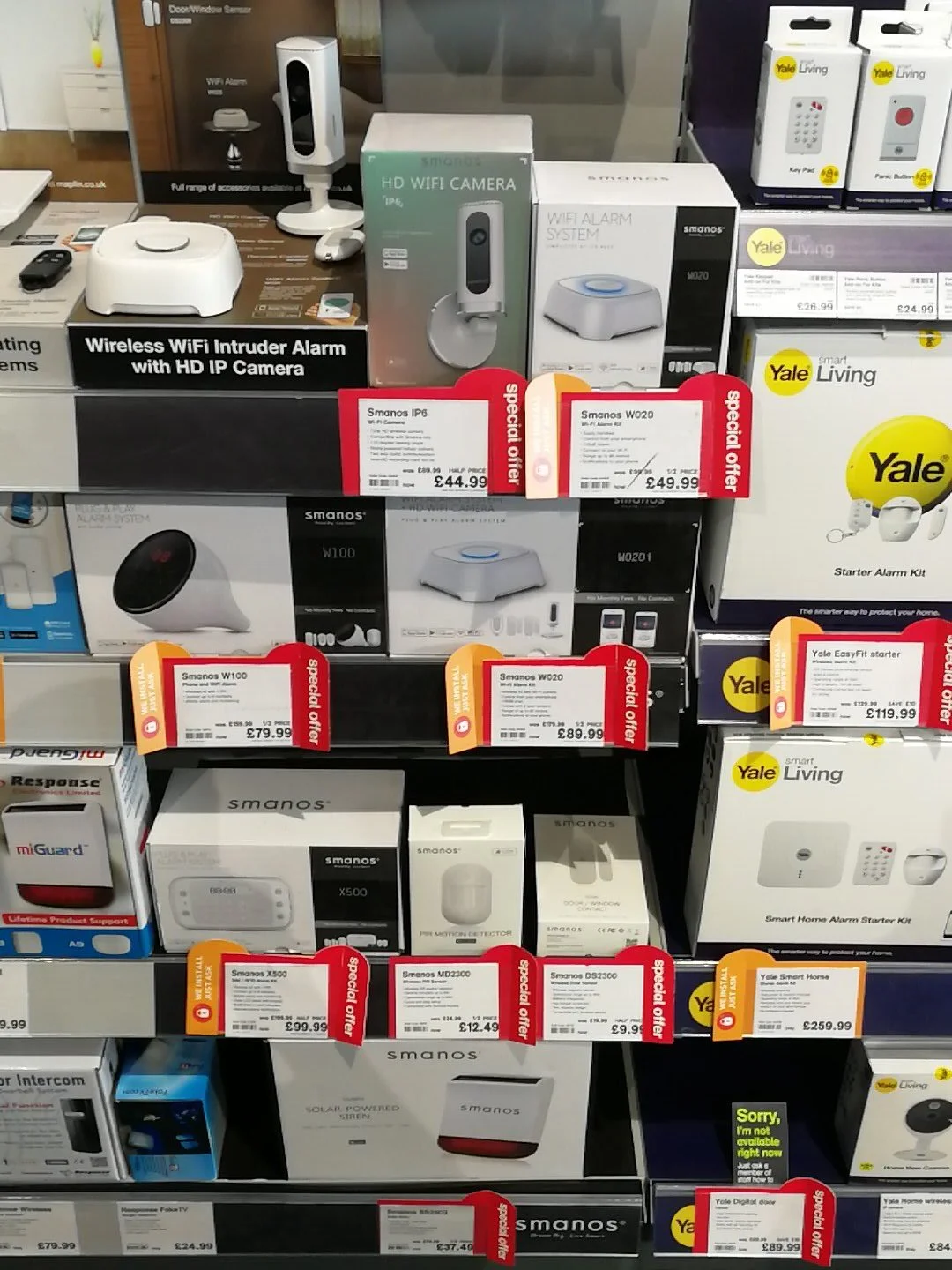
My brand-side experience includes UK and DACH retail-entry work for smanos. That experience belongs to my employer-side role; it is not a claim that the retailers in this map are Frankow clients. The smanos case study explains the work and its context.
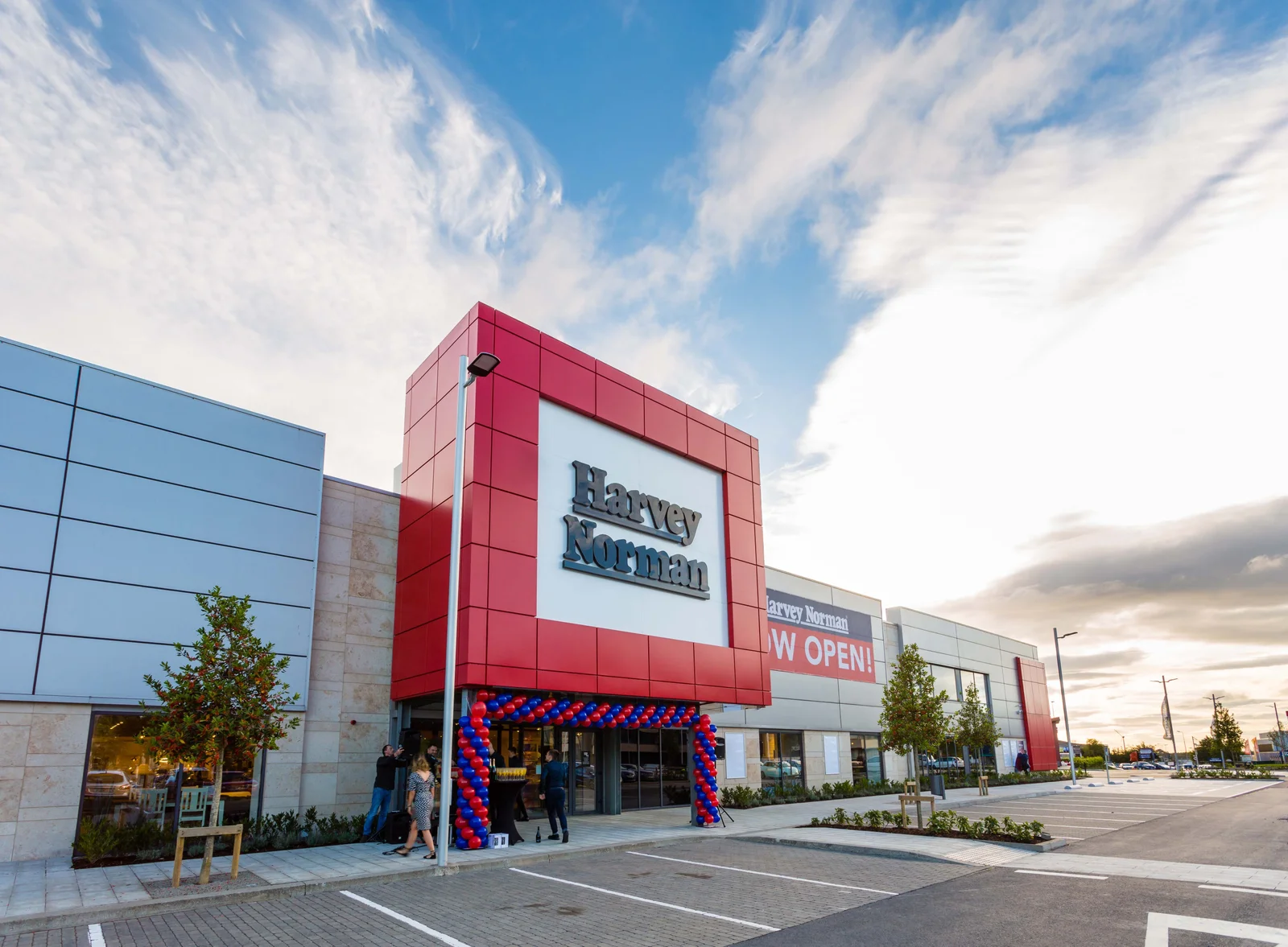
A separate Harvey Norman rollout case study covers my employer-side work in Ireland. It illustrates the role of point-of-sale execution and training after an agreement; Ireland should not be counted as UK store coverage.
Frankow’s UK and European market-entry service helps turn retailer research into priorities, commercial questions, local responsibilities and a 90-day plan. For a useful first discussion, bring your product category, target customer, current markets and the UK launch decisions you need to make.
Sources and comparison method
This is a selected retail landscape, not an exhaustive league table or an estimate of total addressable market. Sources are linked beside the figures. Different year ends, territories, VAT treatments, revenue definitions and business models prevent a like-for-like ranking. Figures are not added together; AO segment revenue is part of its group total, and B&Q Marketplace is not an additional retail company.
Where current comparable revenue has not been verified, the guide uses a dated footprint or category evidence and states the gap. Refresh financial results, ownership, store counts and supplier routes before using the shortlist for a live market-entry decision.