Signing a European distributor creates potential access to a market. It does not guarantee that the partner will build the brand. Results depend on what happens next: product focus, stock, account ownership, sales enablement, commercial cadence and consistent follow-through from both sides.
I have worked inside distribution and on the brand side of distributor relationships. That perspective has made me sceptical of one common assumption: once the agreement is signed and stock is available, the distributor will take over.
Usually, the real work is just beginning.
Why good distributor relationships lose momentum
Most distributors manage more opportunities than their teams can actively develop. The new brand competes for attention against established suppliers, immediate customer requests and products that already contribute reliable revenue.
The distributor may genuinely like the proposition and still fail to prioritise it.
Momentum usually disappears for practical reasons:
- The partner cannot see which customers should be approached first
- The product requires more explanation than expected
- Stock, pricing or product data are incomplete
- No individual owns the brand internally
- The sales team has not been enabled or incentivised
- The supplier expects results but provides little local support
- Meetings review revenue without creating the next actions
None of these problems is solved by adding another forecast to a quarterly presentation.
Choose for fit, not only reach
The selection stage determines how difficult activation will be.
A large distributor may offer impressive coverage, but that reach only matters if the product fits its customers and commercial priorities. A specialist partner with a smaller footprint may generate better results because its salespeople understand the category and know exactly where to begin.
The distributor decision should follow the wider route-to-market decision, not replace it. I use a separate framework to compare Amazon, distribution and direct retail as UK market-entry routes.
Before appointment, I look at:
Customer overlap
Does the distributor actively serve the types of reseller, retailer, installer or business customer the brand needs? A logo list is less useful than evidence of current relationships and regular account activity.
Portfolio fit
Does the product complete the range, or compete with several established suppliers already receiving attention and marketing support?
Commercial motivation
Can the partner earn enough margin, and is the realistic opportunity large enough to deserve time from its sales and management teams?
Operating capability
Can the distributor hold stock, manage returns, maintain product data and support the routes the brand intends to open?
Named ownership
Who will be accountable for the brand? “The sales team” is not a sufficient answer.
The first 90 days matter
The early period should establish how the relationship will operate, not simply wait for orders.
I divide the work into three practical stages.
Days 1–30: make the proposition usable
The distributor needs more than a product catalogue.
The first month should establish the agreed range, stock plan, target customers, channel economics, product positioning and internal ownership. Product data, imagery, training material and sample availability should be checked before outreach begins.
The brand and distributor should also agree what each side will do. This includes who approaches which accounts, who answers technical questions, who approves commercial offers and how quickly decisions will be made.
Days 31–60: create customer activity
Once the foundation is usable, the focus moves to named accounts and live conversations.
The distributor’s salespeople need a short explanation of the customer problem, the product’s advantage and the reason to raise it now. The brand may need to join early calls, demonstrations or buyer meetings rather than remaining behind the partner.
Activity should be visible. A simple account record is enough if it shows the customer, owner, current stage, next action and date.
Days 61–90: learn and adjust
By this point, the relationship should have produced information even if it has not yet produced significant revenue.
Which customer types responded? Which objections repeated? Is the margin structure viable? Does the range need narrowing? Are stock or support concerns slowing decisions? Is one route performing better than expected?
The purpose of the 90-day review is not to punish the distributor for a retailer’s buying cycle. It is to decide whether the operating model is creating credible progress and what should change next.
Give the sales team a reason to act
Distributor management may approve a brand, but individual salespeople create most of the customer activity.
They need to understand the proposition quickly. They also need confidence that introducing it will help rather than complicate their customer relationship.
Useful enablement includes:
- A clear description of the customer problem
- A small number of priority products
- The ideal customer profile
- Competitive positioning that can be repeated accurately
- Pricing and margin that are easy to understand
- Samples or demonstrations where the product needs explanation
- A named contact for fast brand-side support
- A reason to act now rather than “sometime this year”
In my Twinkly and Smarty work, the opportunity began with a simple, recognisable product explanation and a focused buyer approach. The same principle applies inside a distributor: reduce the effort needed for somebody to understand whom to contact and what to say.
Work from named accounts
“Develop retail” or “grow the market” is not an operating plan.
The relationship becomes manageable when the broad ambition is converted into a prioritised account map. Each account should have a reason for inclusion, an owner and a next action.
I normally separate accounts into groups:
- Existing distributor customers where the product fits immediately
- Strategic targets requiring a joint brand-and-distributor approach
- Specialist accounts that can provide early proof
- Longer-term retailers or partners requiring more preparation
- Accounts excluded because of conflicts or an existing direct relationship
This also prevents a common source of tension: both sides believing the other is responsible for an important customer.
Build a useful commercial cadence
Distributor meetings should move work forward. They should not become long reviews of incomplete spreadsheets.
A practical monthly meeting can cover:
- Stock and availability
- Active opportunities and next actions
- Customer feedback and repeated objections
- Upcoming promotions, launches or range reviews
- Decisions required from the brand
- Support required by the distributor
- Commitments for the next 30 days
The record can be simple. Consistency matters more than the reporting system.
This is also where brand-side ownership becomes essential. The distributor should not have to chase repeatedly for pricing, product information, campaign approval or technical answers. Slow responses teach the partner that the brand is difficult to progress.
The same principle applies to software and integration partners. In the iglooConnect recurring-revenue work, an agreement only became commercially useful when integration activity was connected to joint marketing, customer development and coordination between internal and partner teams.
A retail listing still needs execution
Even after the distributor opens a retailer, the work continues.
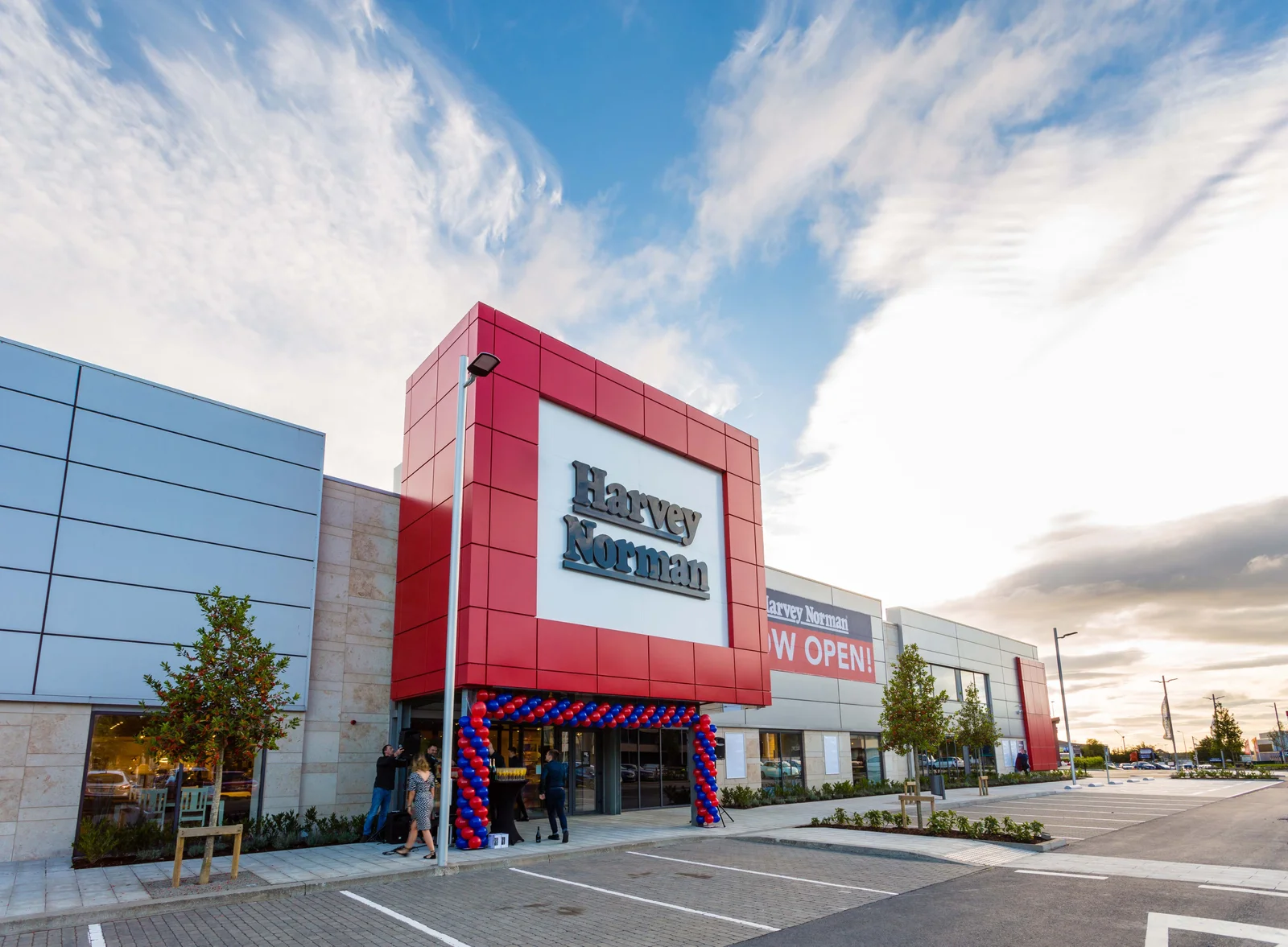
During the Harvey Norman Ireland rollout, the distributor relationship had to connect with the retailer, point-of-sale manufacturer, stock plan, product presentation and staff enablement. Each participant owned a different part of the launch.
That experience is a useful reminder that a purchase order is not the complete commercial outcome. Availability, merchandising, people and account management determine whether the placement becomes productive.
How I recognise an underperforming partnership
Low revenue alone is not enough to judge the relationship, particularly in the early stages or in categories with long buying cycles.
I look for operating signals:
- Are agreed customer conversations taking place?
- Is there a named owner on both sides?
- Is the product available and commercially competitive?
- Does the distributor share useful feedback?
- Are decisions and next actions being completed?
- Is the partner learning where the proposition fits?
A relationship can be commercially early but operationally healthy. It can also produce a few passive orders while showing no ability to build the brand.
If the signals are weak, the first response should be to diagnose the cause. The answer may be better training, a narrower range, revised targets, more brand support or a different account plan. If ownership and fit remain absent after intervention, replacing the partner may be more sensible than waiting indefinitely.
What the brand must continue to own
The distributor can become a local commercial engine, but the brand cannot outsource its responsibility for making the partnership work.
The supplier still needs to own:
- The clarity of the proposition
- Product and marketing readiness
- Fast commercial and technical decisions
- Consistent stock planning
- Strategic account support
- Alignment between Amazon, direct sales and partner channels
- Honest performance review
That channel alignment deserves particular attention when marketplace sales are already established. My article on why Amazon success can make European retail expansion harder covers the pricing, stock and account-ownership conflicts that can otherwise weaken a distributor relationship.
The strongest distributor relationships feel collaborative because both sides can see the plan, the ownership and the commercial reason to keep investing.
My distribution and channel partner development work covers both sides of this problem: finding an appropriate partner and establishing the cadence that helps the relationship perform after signature.