After visiting eCommerce Expo and Technology for Marketing at Excel London, my strongest takeaway was how much of the infrastructure for international selling can now be bought as a service. The harder question is what makes a customer choose your product, trust the offer and stay with your brand.
For an established business expanding into the UK or Europe, that changes where management attention belongs. Connecting another channel is one task. Making the channels, product information and customer experience work together is another.
More of the route to market is available off the shelf
I spoke with fulfilment providers offering routes from factory collection in China through to services supporting Amazon FBA, other marketplaces and Shopify stores. Alongside them were providers addressing business setup, VAT administration, packaging and the systems behind order management.
The impression was of an increasingly modular route to market: choose the services, connect the systems and get moving. That is encouraging for overseas brands that cannot justify building a complete local operation immediately.
One conversation was with ShipMeTrend, about fulfilment from China for Shopify stores. They discussed a six-day lead time for EU orders. They also described a dashboard for managing the process along the route, from connecting the store and planning stock through fulfilment, shipping and tracking.
I also met VATAi, whose offer covers VAT and other cross-border compliance services. Together, these conversations illustrated how much specialist support is available around international selling. Frankow now partners with VATAi: I can recommend suitable services, make an introduction and support coordination within an agreed consultancy scope. See European VAT and EPR support for the responsibilities and referral disclosure. I have not independently tested these providers’ delivery.
But buying the components does not settle the commercial decisions. Which market comes first? What margin remains after fulfilment, channel fees and returns? Who supports the customer? Who takes responsibility when the order crosses several suppliers’ systems?
Those questions remain even when a provider describes its service as plug and play. Legal and tax arrangements still need the relevant specialists; a convenient integration does not establish that every obligation has been covered.
I have explored the stock and channel responsibilities in more detail in Amazon, Shopify and retail: planning shared stock with a European 3PL.
AI makes clear purchasing answers more important
The talks about AI and shopping brought me back to a practical question: can someone establish whether this exact product fits their needs from the information the brand makes available?
For a technology product, an attractive description is only the beginning. A buyer may need to know whether it works with an existing system, requires a hub, depends on a subscription, supports their country or comes with local after-sales support.
Inriver’s session on product information stood out because it connected AI discovery with the consistency of the underlying facts. Its exhibitor profile provides context for its product-information work. My takeaway was straightforward: the brand website, marketplace listing and partner material should tell the same accurate story about the same model.
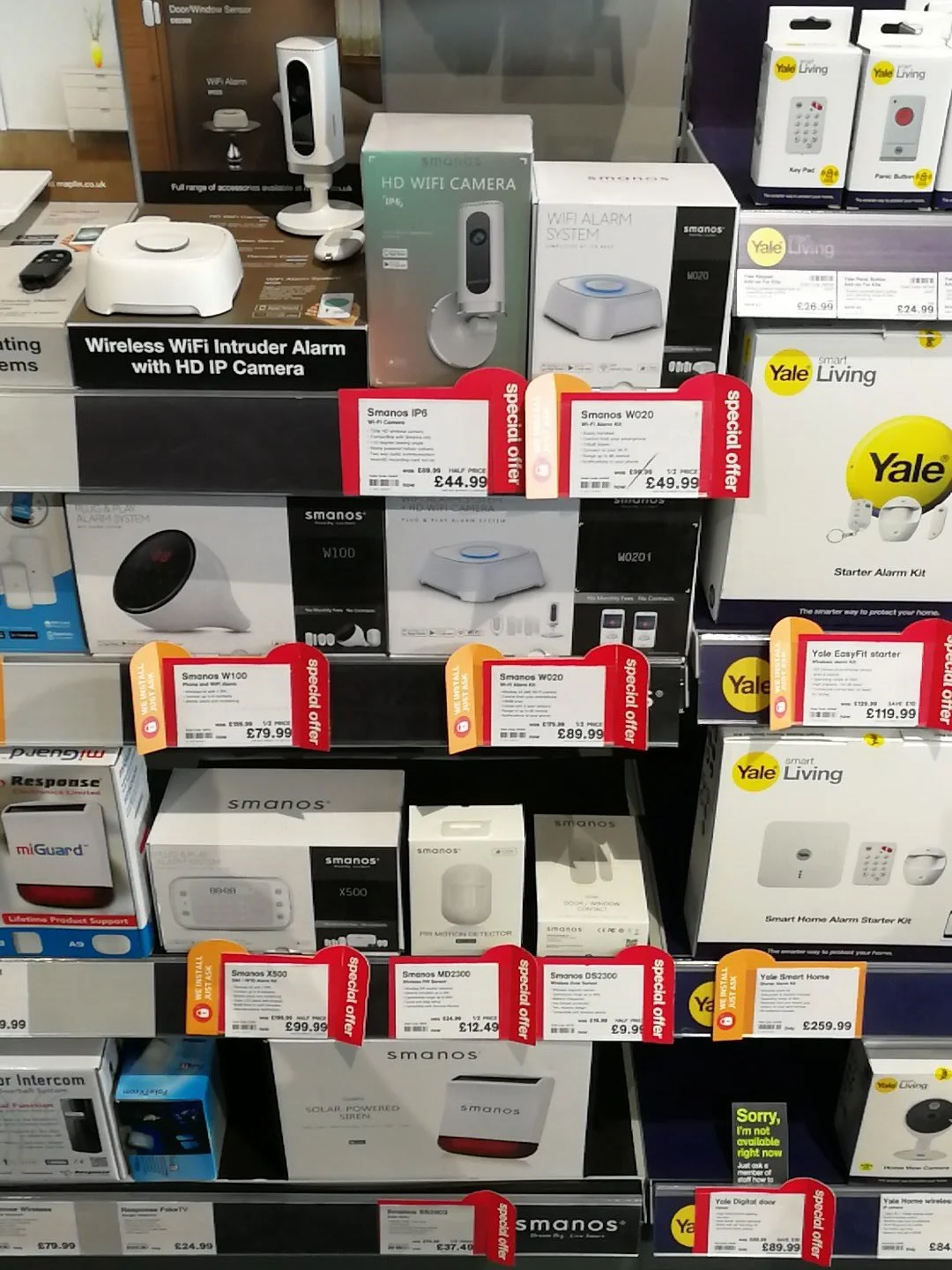
Consider an illustrative smart-access product. One page says remote access is included; another says an additional hub is required; a retailer does not mention the subscription. A buyer, sales partner or AI assistant now has an incomplete basis for a recommendation. Adding more promotional copy will not resolve the disagreement.
The useful improvement is to establish the correct conditions and publish them consistently. Where a fact is unknown, someone needs to verify it. AI-generated wording should not turn a broad claim into an unsupported specification.
SEO still matters, even when discovery happens elsewhere
I would not read these developments as a reason to abandon SEO. Google’s guidance for its AI search features says established SEO practices remain relevant; it does not require special AI markup.
The commercial issue is that a prospect may form a shortlist before arriving on your website. That makes clear answers, accessible information and credible evidence useful beyond the page itself.
A search answered without a website visit is also different from a purchase completed by an agent. I see value in preparing for both, but would not plan a business around the assumption that every customer is already buying without clicking through.
Start with the questions customers and channel partners actually ask. Answer them where the product or service is explained, and keep those answers current. More pages are not automatically more useful.
Reach is easier to buy than a lasting customer relationship
The range of international fulfilment options made proximity feel like less of a barrier to reaching a customer. It still matters for delivery, returns and support. What interests me is how a brand earns the next interaction once the first order has arrived.
For durable technology products, retention is not necessarily another hardware purchase next month. It can mean successful setup, continued use, subscription renewal where relevant, an accessory purchase or a recommendation to another customer.
This is where product and software experience need to connect with the sales plan. If setup is confusing or the product does not match the promise made before purchase, a more sophisticated marketing workflow will struggle to repair that experience.
Analytics, customer-experience tools and automation can help identify and address these problems. The business still needs someone to decide which problem matters and who will fix it.
Start with one useful improvement and check the result
My practical response to the shows is to choose a small, commercially important problem and work through it before adding another platform.
For example, take one established product range in one target market:
- Compare the purchasing information on the brand site and its main sales channels.
- Resolve disagreements about compatibility, included features, extra costs and support.
- Check that the stock and delivery promise matches what the operation can fulfil.
- Improve one part of setup or after-sales communication that creates avoidable questions.
- Measure the relevant result: fewer support queries or returns, better activation, or stronger conversion—not simply more published content.
Small improvements can compound when they remove genuine friction. Their value needs to be measured; an AI label is not evidence of a return.
For me, the opportunity is in connecting the pieces: the route to market, the product promise, the partners and the customer experience. The tools available at these shows make more possible. Commercial focus determines which of those possibilities deserves investment.
If your brand already has proven sales and is preparing a funded UK or European expansion, Frankow’s market-entry work focuses on choosing the route, identifying the gaps and moving the commercial plan into action.