Amazon, Shopify and retail can share a physical stockholding, but they need a common set of commercial rules before they share availability. A warehouse count does not tell you how many units you can promise to a new customer. Existing orders, retail commitments, replacements and returns all affect that decision.
My experience includes building Amazon UK and European marketplace operations, setting up Shopify direct sales and establishing EU third-party logistics processes inside a connected-product business. I approach fulfilment as part of the channel plan: what have we promised, which stock supports that promise, and who acts when the plan breaks?
For an established overseas brand without a local commercial team, these questions deserve attention before another country or sales channel goes live. Headquarters may own the forecast, a distributor the retail relationship and a 3PL the physical stock. Someone still needs to decide how those commitments fit together.
What retail and software partnerships taught me about the handover
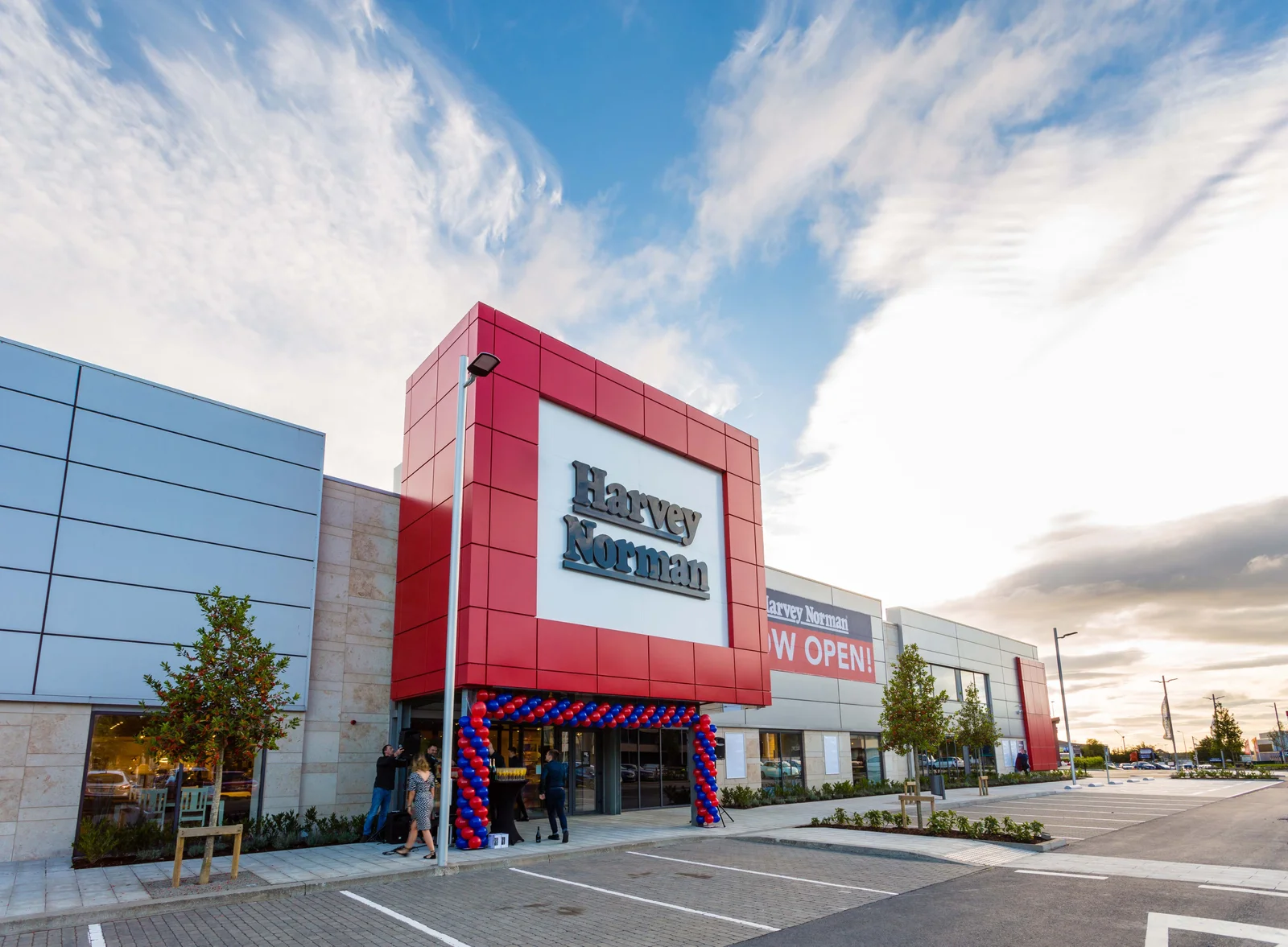
In the Harvey Norman Ireland rollout, my employer-side role involved coordinating the local distributor, retailer, point-of-sale manufacturer and launch training. The range reached 16 stores, but that outcome depended on more than agreeing a listing: the products, presentation and people had to be ready together. This was work delivered with those organisations, not a Frankow consultancy engagement.
The lesson I bring to a stock discussion is to start with the commitment made to the channel. A retailer launch needs an agreed range and availability; a direct order needs a dispatch promise; a replacement needs a support decision. Those promises can compete for the same units. A warehouse report becomes useful when someone can explain which promises it supports.
My iglooConnect partnership work added another perspective. I worked on commercial use cases, integration marketplace presence and partner campaigns, coordinating with technical teams. Technical compatibility was one part of a broader customer proposition. I apply that distinction to fulfilment too: a connected system needs clear commercial responsibilities when an order, stock update or return needs intervention.
Separate physical stock from the quantity you can promise
A third-party logistics provider, or 3PL, can store goods and handle fulfilment. The brand still needs to decide how stock is allocated between routes to market.
Consider this illustrative example, not a client result or recommended stock policy. A warehouse has 500 units of one product:
| Stock position | Units | Treatment in this example |
|---|---|---|
| Confirmed retailer order | 180 | Reserved for that order |
| Planned transfer to Amazon | 120 | Reserved until dispatched or released |
| Customer replacements | 30 | Held for support |
| Returned units awaiting inspection | 20 | Unavailable for sale |
| Remaining stock | 150 | Available before any additional safety buffer |
The warehouse holds 500 units, but only 150 remain uncommitted under these assumptions. Each unit belongs to one row; the calculation would need changing if, for example, the Amazon transfer had already left the warehouse.
If Shopify and another channel each independently offer all 150 units, the business can still oversell. The solution might be a shared availability service, channel allocations or a buffer, depending on the systems and how quickly they update. The required decision is who owns that rule and reconciles the records.
Decide where stock records are authoritative
I would ask the brand, warehouse and integration provider to draw the flow from order to stock update. It should show which system records a reservation, a cancellation, a dispatch and a returned unit becoming sellable again.
Shopify’s documentation explains that inventory is tracked separately at each location and that order assignment depends on routing configuration. Adding multiple locations does not automatically create one interchangeable pool. Shopify’s inventory guidance.
For the proposed setup, establish:
- Which record is authoritative for physical stock and which controls availability.
- When each channel reserves a unit.
- How quickly other channels receive the change.
- What happens when an update fails or arrives twice.
- Who investigates a discrepancy and can pause further orders.
An integration demonstration should include a failure and recovery, as well as a successful order.
Compare three fulfilment arrangements
The right arrangement depends on the order mix and the service required. I would compare these options before selecting a provider:
| Arrangement | Question it can answer | What to validate |
|---|---|---|
| A 3PL handles direct and retailer orders; stock transfers replenish Amazon | Can one operation support consumer parcels and trade replenishment? | Order formats, preparation, transfer ownership and stock allocation |
| Amazon inventory also serves eligible off-Amazon orders | Can an existing fulfilment route cover some direct orders? | Current programme availability, integration, costs and customer experience |
| Separate fulfilment routes by channel or geography | Do different service requirements justify separate stock? | Additional inventory, reconciliation and transfer work |
Amazon UK describes Multi-Channel Fulfilment as a way to fulfil other-channel orders using FBA inventory. That makes it an option to assess, not evidence that every retailer order or European country fits the same arrangement. Amazon UK programme information.
Keep UK and EU scenarios separate in the assessment. Confirm the relevant customs, tax and product requirements with the appropriate specialists before choosing stock locations or making delivery commitments.
Test the order types the brand actually needs
A direct customer buying one device and a retailer ordering multiple cartons may require different preparation and information. Put the proposed account requirements into the 3PL discussion rather than assuming every warehouse service includes them.
I would build a short demonstration around:
- A direct order containing a device and accessory.
- A retailer order with its specified labels and delivery instructions.
- A cancellation after the warehouse receives the order.
- A partial shipment or stock discrepancy.
- A return requiring inspection before resale.
- A replacement that must not reduce stock already committed elsewhere.
For connected products, also establish whether the return process needs an account reset, accessory check or a technical decision before resale. The warehouse, customer-service team and technical team need an agreed handover.
For example, imagine a returned device that looks complete but may still be associated with its previous user. This is an illustrative scenario, not a reported incident. Counting the parcel as received is a warehouse event; confirming that the device is ready for a new customer may require an authorised technical or support process. Agree who can make that decision and which stock status prevents resale in the meantime. Do not assume a visual inspection answers both questions.
A handover checklist to use with headquarters and the 3PL
For one product and one proposed market, put the answers to these questions in a shared working document before selecting the final arrangement. Assign a named owner to each row.
| Decision | What to record | Evidence to ask for |
|---|---|---|
| Stock available to promise | Physical units less non-overlapping reservations and unavailable stock | Reconciliation of a sample product, including units in transit |
| Channel priority | Retail commitments, Amazon replenishment, direct orders and replacement reserves | Agreement on who can release or reallocate reserved units |
| Stock-update failure | How stale availability is detected and who can pause orders | A failed update followed by recovery, with duplicate events handled |
| Cancellation | The point at which dispatch can still be stopped | A cancellation after the order reaches the warehouse |
| Connected-product return | Inspection, accessories and any required account or technical checks | The authorised process for moving a unit from quarantine to sellable |
| Local ownership | The person coordinating the brand, providers and channel partners | Escalation contacts and a review cadence that work across time zones |
A useful answer identifies both the normal process and the decision when it fails. If several parties each assume another owns a row, resolve that before launch.
Compare the full cost and the work retained by the brand
A low pick-and-pack quote is only one input. Request a scenario based on the expected mix of consumer orders, retailer orders, returns and transfers.
Ask which charges apply to receiving, storage, additional items, packaging, retailer preparation, returns inspection, account administration and integration support. Record minimum commitments and exceptions alongside the quoted rates.
Then identify the work the brand keeps: forecasting, replenishment decisions, customer communication, provider management and approving unusual cases. Outsourcing dispatch does not remove those decisions.
For a premium brand, the assessment should also test whether the service can deliver the experience promised to customers and partners. That includes how an exception is resolved, not just how a routine parcel leaves the building.
Start with a small operational proof
Before extending the arrangement, run the representative order scenarios and agree what a pass looks like. Check stock changes, dispatch records, customer notifications, return status and the person responsible for resolving each exception.
The useful output is a workable allocation and fulfilment plan with named owners. A new channel should add a controlled route to customers, rather than another place making promises against uncertain stock.
If your brand already sells successfully and is connecting Amazon, Shopify and European retail, my Amazon and marketplace work brings the channel plan and operating responsibilities together. A paid commercial evaluation can establish the priorities and gaps before a larger commitment. Scope and fee are agreed after an initial fit discussion.
Platform references checked 19 September 2026. The stock example is illustrative; provider capabilities and terms must be checked for the proposed markets and accounts.
Frequently asked questions
Can Amazon, Shopify and retail use the same warehouse stock?
They can share a physical stockholding where the provider supports the required order types. The brand still needs allocation rules, reliable stock updates, separate treatment of committed or unavailable units, and clear responsibility for exceptions.
Does one warehouse mean every channel should display the same available quantity?
No. Retail commitments, replacements, quarantined returns and transfers can reduce what is available for new orders. Each channel must receive a quantity that reflects those commitments and the speed of stock updates.
What should I ask a European 3PL before signing?
Ask the provider to demonstrate consumer orders, retailer orders, stock updates, cancellations, returns and failed integrations using your proposed workflow. Agree who handles exceptions and compare the complete service cost rather than pick-and-pack fees alone.